





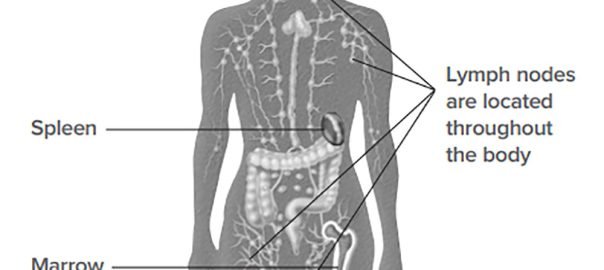
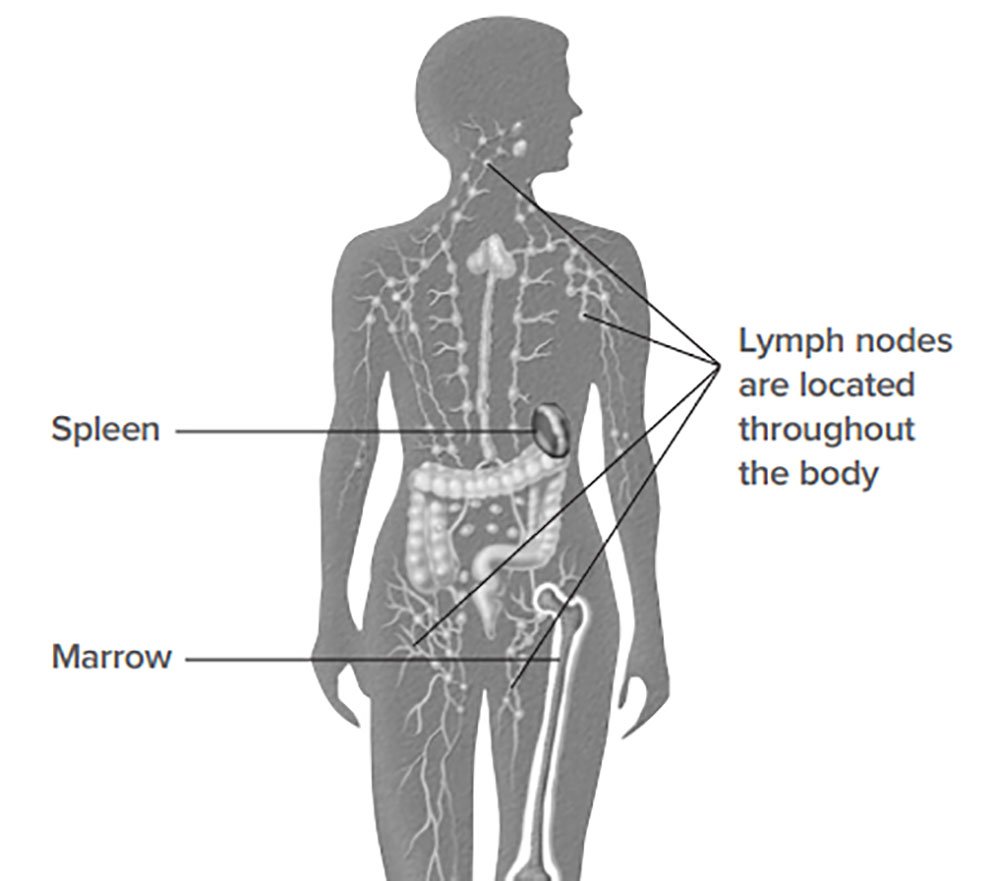
Lymphoma is a cancer of lymphocytes, a type of white blood cell. Lymphocytes are part of body’s immune system and are found in the blood stream, lymphatic system, spleen, lymph nodes and bone marrow. When lymphocytes become malignant, they multiply and form tumorous growth also known as lymphoma.
Overview of structural distribution of normal Immune system.
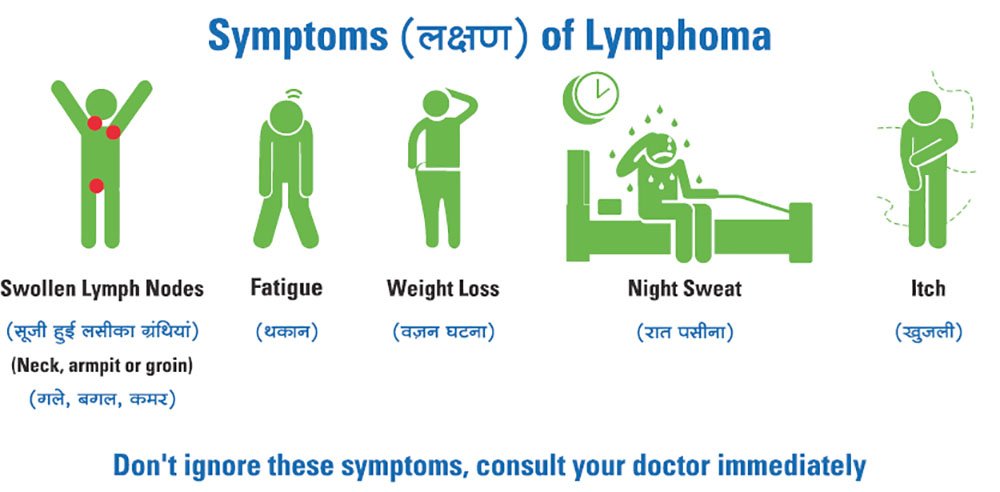
Lymphomas encompass two types of neoplasm
Hodgkin lymphoma: These type of lymphomas are characterized by slow growth and contiguous lymph node involvement
Non Hodgkin Lymphoma: There are more than 30 different types of NHL’S which can be broadly classified into 3 types
a) Lymph node biopsy: It is the most important diagnostic test which tells about the type of lymphoma
b) Computerized axial tomography (CT scan): CT scan of chest and abdomen can be used for staging of disease
c) Positron Emission Tomography (PET scan): PET scan is the preferred imaging modality for initial staging as well as response to therapy
d) Bone marrow biopsy: A thin needle is inserted into hip bone and small sample of blood and tissue is collected to confirm involvement of bone marrow by lymphoma
e) Blood tests: Blood tests are performed to determine if various blood cells and bio chemistries are within normal limits
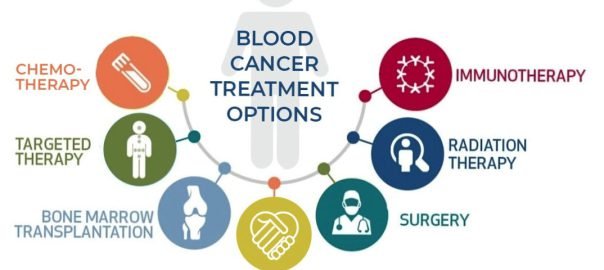
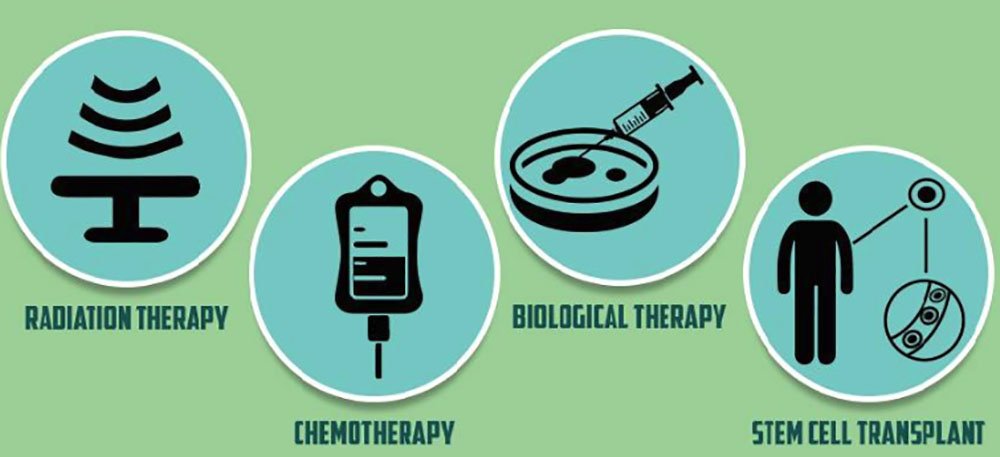
CHEMOTHERAPY: Chemotherapy is the main modality of treatment of lymphoma. Chemotherapy means treatment of cancers with drugs that kill cancer cells. Chemotherapy drugs work by stopping division of cancer cells or by triggering death of cancer cells. Many different combinations of cytotoxic drugs are given in form of cycles for treatment of lymphomas. Most chemotherapy treatments are given on outpatient basis but some protocols may require hospital stay.
BIOLOGICAL THERAPIES: Biological therapies are treatments which act on cell processes and stop cells from growing and dividing. These are useful to treat lymphomas. Monoclonal antibodies are the most common biological therapies used in lymphoma treatment. These are proteins made from single copy of humanized antibody that target particular protein found on cancer cell surface.
RADIOTHERAPY: Depending on which type and stage of lymphoma you have, your treatment might involve radiotherapy alone, or in combination of chemotherapy.
Some types of lymphoma that are low grade or ‘indolent’ (slow-growing) can be cured with radiotherapy alone if they are at an early stage.
High-grade lymphomas that are early stage are often treated with chemotherapy followed by radiotherapy.
STEM CELL TRANSPLANT: Some people need high doses of chemotherapy to treat their lymphoma. High doses of chemotherapy can be very effective at killing lymphoma cells but they can cause permanent damage to your bone marrow. Patients can be given healthy blood stem cells after high-dose chemotherapy to avoid the harmful effects of high dose chemotherapy, this is called a stem cell transplant.
Stem cell transplants are used in lymphoma treatment in different situations but mainly when:
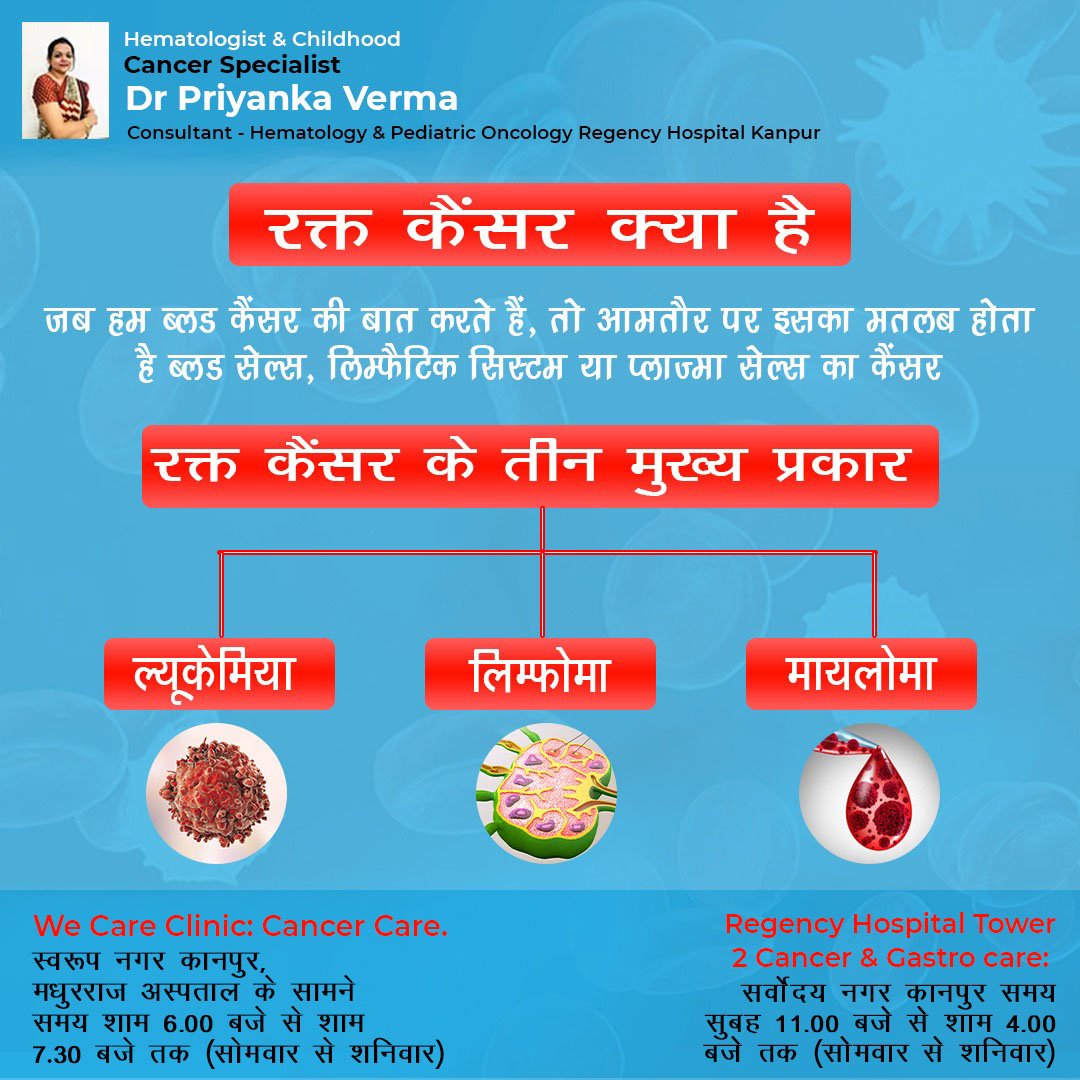
Blood cancer: As its name suggests, this type of cancer affects the production and function of your blood cells. Stem cells in your bone marrow mature and develop into three types of blood cells: red blood cells, white blood cells, or platelets. In case of cancer, the blood production process is interrupted due to the growth of an abnormal type of blood cell. The various types include Leukemia, Lymphoma and Myeloma.
Leukemia – This type of cancer is caused by the rapid production of abnormal blood cells in the bone marrow. These abnormal blood cells affect the bone marrow’s ability of the production of red blood cells and platelets.
Lymphoma – This type of blood cancer affects the lymphatic system, which is responsible for the removal of excess fluids from your body and producing immune cells. Lymphocytes are a type of white blood cell that fights infection. Abnormal lymphocytes become lymphoma cells, which grow uncontrollably in your lymph nodes and other tissues.
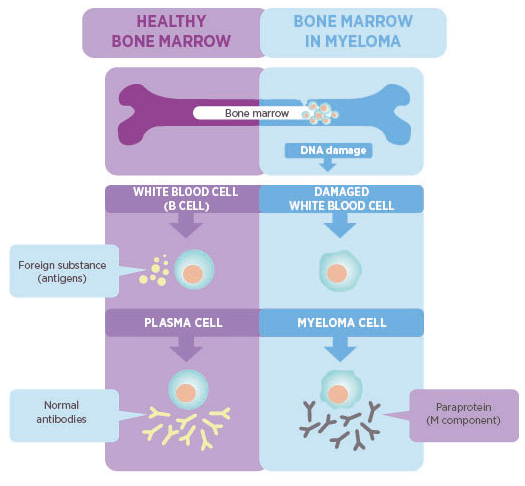
Myeloma – This type of blood cancer affects the plasma cells, which are white blood cells responsible for the production of disease-fighting antibodies in the body. Myeloma affects the production of plasma cells which results in weak immune system.
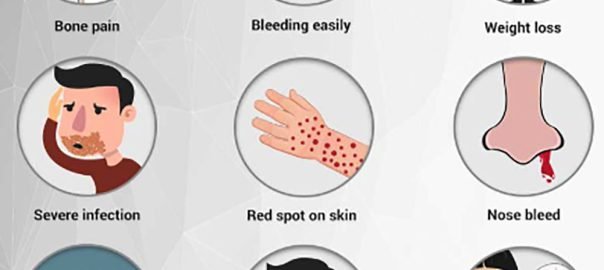
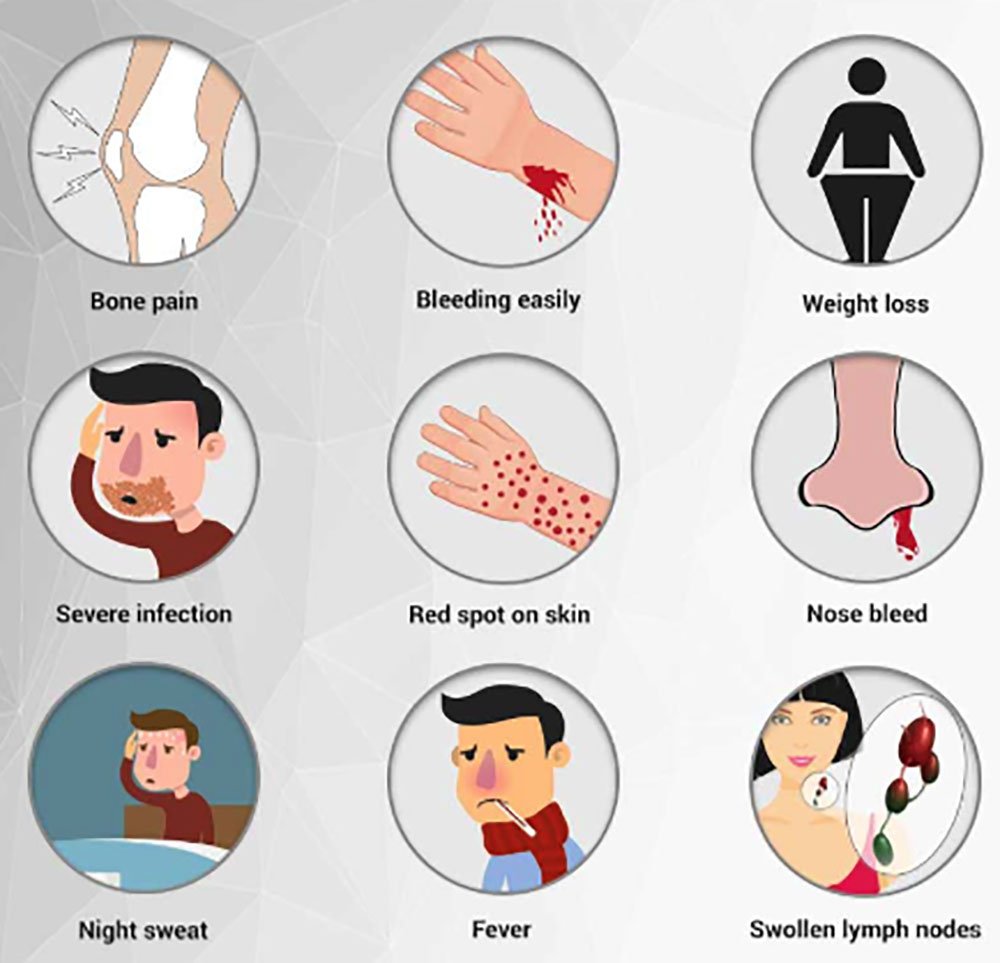
Blood cancer is a type of malignancy which affects the blood, bone marrow, or lymphatic system. Some of the common blood cancer symptoms include:
Tests and procedures to diagnose blood cancers may include:
The primary objective of blood cancer treatment is the complete eradication of cancer. Several therapies are provided by blood cancer hospitals in India for this disease. A few of them are as follows-

A neutropenic (nu-tro-PEE-nik) diet is for people with weakened immune systems. This diet helps protect them from bacteria and other harmful organisms found in some food and drinks. As patient on chemotherapy have weak immune system it is recommended that they eat neutropenic diet.

Multiple myeloma is a type of cancer that develops when malignant plasma cells start increasing in the bone marrow. Myeloma is sometimes also called plasma cell cancer and is a type of blood cancers.
It is the second most common of these after lymphoma with close to 160,000 new cases diagnosed globally per year. Regardless of the many new treatment modalities being developed for myeloma, it is still a disease that is accompanied by consistent relapses and according to one source, leads to 106,000 deaths per year worldwide.
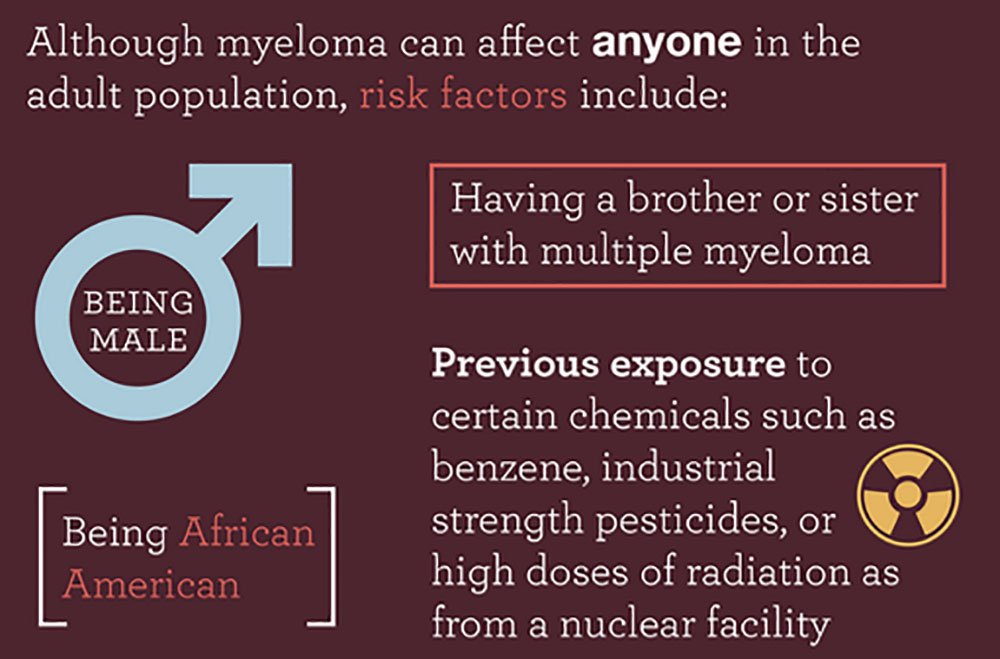
Myeloma occurs particularly in elderly people; the mean age at diagnosis is 65–70 years. Myeloma is rare in people under the age of 40 years. It is more common in men than in women.
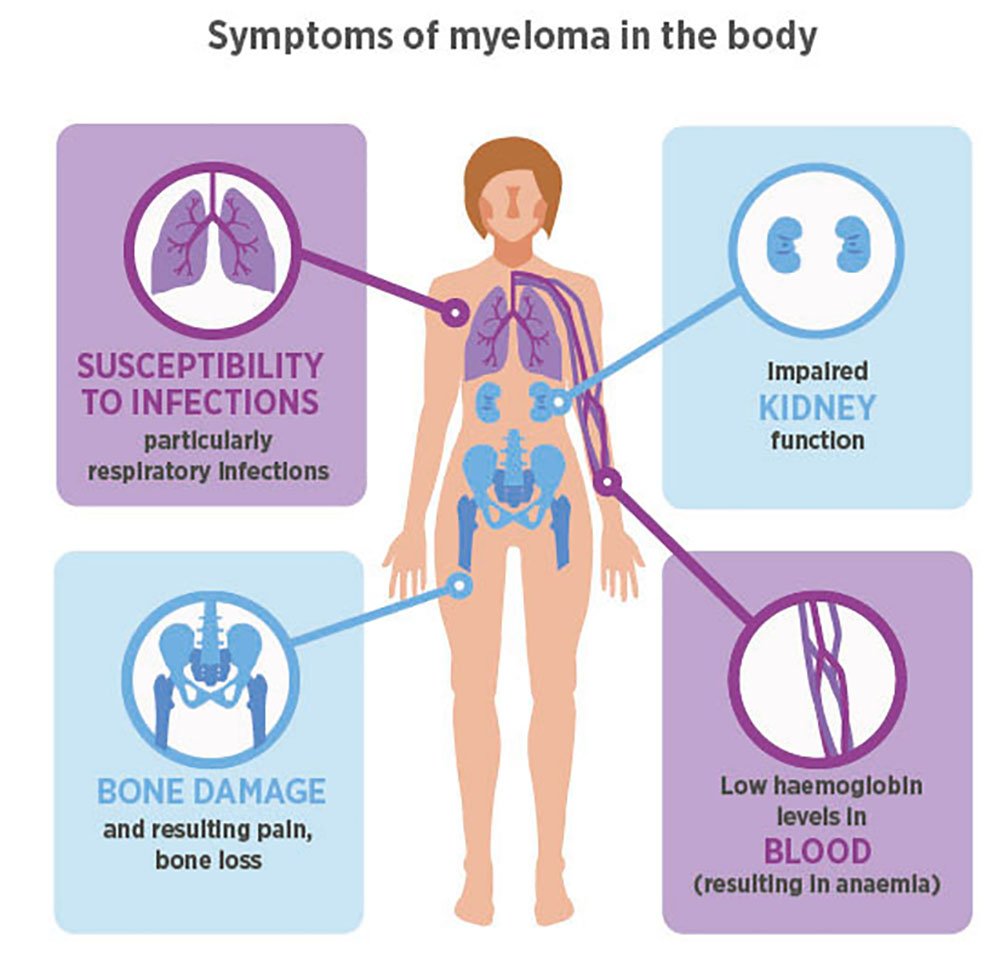
Multiple myeloma (also referred to as myeloma) is a type of rare, incurable cancer of plasma cells. Plasma cells are a type of white blood cell that bone marrow produces. They fight off infection within the body by producing antibodies. Normally, the bone marrow has a small number of plasma cells; however, when plasma cells become cancerous and start multiplying in the bone marrow they lead to disease symptoms.
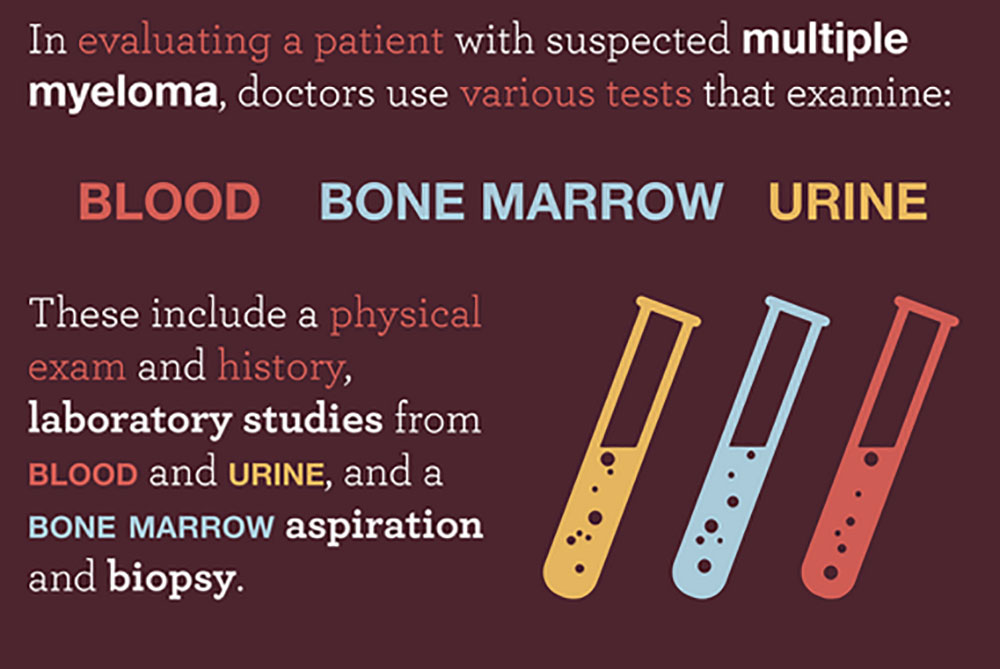
The diagnosis of multiple myeloma is suspected by finding an elevated amount of certain antibodies in the blood and urine. A bone marrow biopsy and a bone marrow aspirate (using a needle for biopsy and a syringe to aspirate a small amount of bone marrow blood) are performed to confirm the diagnosis.
 Pediatric Malignancies
 Adult Hematological Malignancies
 Benign Hematology
 Medical Procedures